
It’s late afternoon at a Florida campsite and the air feels like a warm, wet towel. Thunder rolls somewhere out over the marsh. My rash guard hangs on the line exactly as wet as it was this morning, a heron stalks the ditch behind the tent, and the cooler is sweating through its own lid.
From paddling a slow river and watching wading birds work the shallows to booking a surf park Fellsmere session, inland Florida trips pack a lot into one week. Fellsmere is a small town inland from the Atlantic coast, and a day on a man-made wave there fits neatly between nights at camp. What I want to talk about is everything around that surf session: the camp, the gear, the weather and the creatures you share it all with.
Why a Florida surf day is harder on your camp than on you
Most people plan the fun part carefully and the campsite part not at all. They book the session, pack a board bag or a swimsuit, and assume the evening will take care of itself. Then they come back salty or chlorinated, sunburned and tired, to a site where nothing ever dries.
Florida’s humidity is the reason. In a dry climate, a wet towel on a line is a solved problem by dinner. In the sticky months here, the air is already holding so much moisture that wet fabric barely gives any up. Rash guards, towels and swim shorts stay damp for a day or more, and damp fabric packed into a tent or a trailer starts to smell, then grows mildew.
The afternoon storms add another layer. In the warm season, clouds tend to stack up through the day and break into thunderstorms by mid-afternoon, which is exactly when many people are driving back from a day on the water. Lightning is the real hazard here, not the rain. Anywhere with open water and flat ground is the wrong place to be when the sky starts grumbling.
And then there’s the wildlife. A wet, food-scented campsite is an open invitation. Raccoons in Florida are bold and clever, ants find a dropped snack within minutes, and mosquitoes love the standing water that collects in a forgotten bucket or a sagging tarp. None of it is dangerous on its own, but all of it can turn a great surf day into a rough night.
What fixes it
Plan the day around the sky, not the clock
The easiest fix costs nothing. Look at the forecast the night before and again at breakfast, and try to put your surf session and your drive earlier in the day when storms are likely in the afternoon. Morning light is gentler on skin too, and the camp chores waiting back at the site get done before the clouds build.
If you hear thunder, get off the water and away from open ground, and wait it out in a hard-topped vehicle or a solid building. A tent or a picnic shelter is not shelter from lightning. Any reputable water venue will clear people out when storms come close, and it’s worth asking at check-in how they handle weather so you know what to expect.
Build a drying system before you leave camp
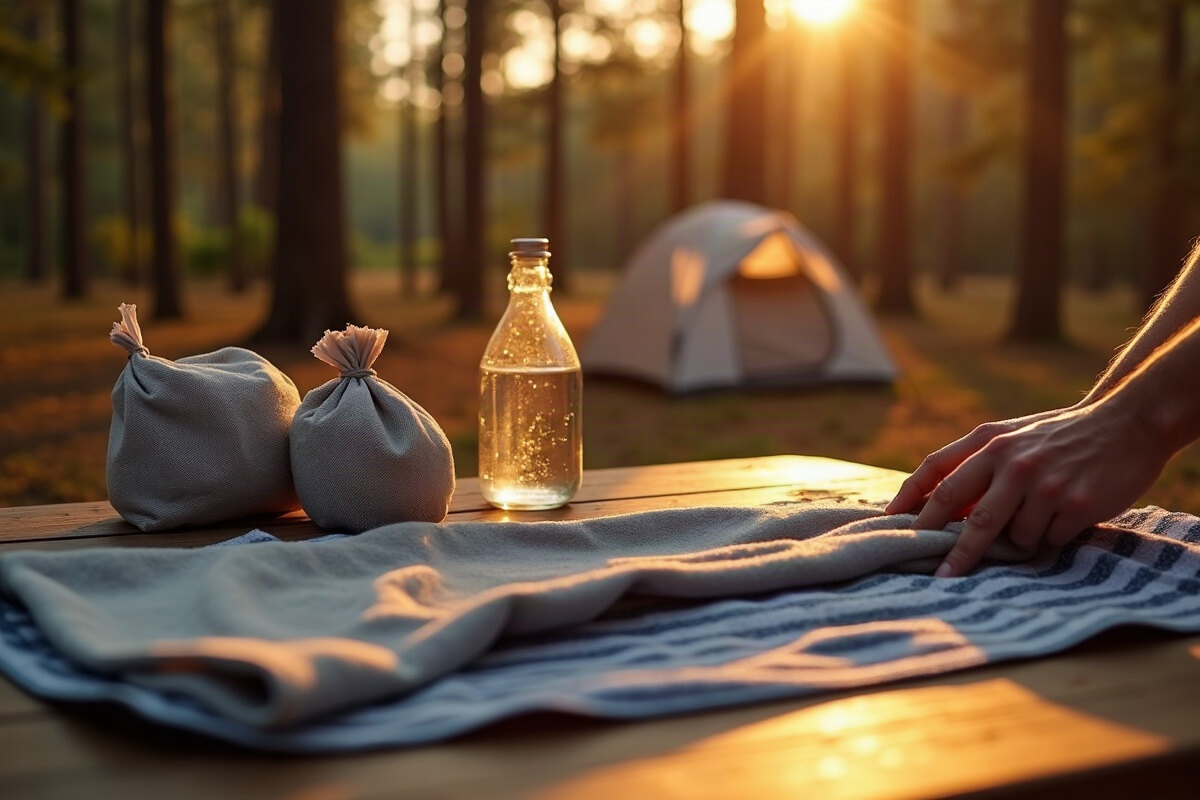
Set up your drying station in the morning, not after you get back. A line strung under the awning or a rain fly, out of the afternoon downpour but open to any breeze, does far better than one in the open that gets soaked again at three o’clock.
Trail-tested tip: Rinse everything in fresh water the moment you get back, then roll each piece tightly in a dry towel and press out the water before you hang it. That one squeeze cuts drying time more than any clever clothesline trick I’ve tried.
Bring two sets of swimwear per person, so one can dry fully while the other is in use. Pack a couple of mesh bags too. Wet gear goes into mesh, never into a closed plastic tub, because a sealed tub is basically a mildew farm on wheels.
Keep a wildlife-proof camp while you’re away
Here’s where my environmental studies background sneaks in. Food left out at an empty campsite doesn’t just cost you a bag of chips. Raccoons and birds that learn campsites mean easy food get bolder every season, and an animal that has learned to raid coolers often ends up in trouble with people. Storing food well protects them as much as it protects your snacks.
Before you head off for the day, run this quick check:
- All food, trash and toiletries locked in the vehicle, a hard-sided cooler with the latch closed, or the campground’s storage if it has one.
- Dishes washed and put away, with greywater disposed of where the campground asks.
- Buckets, tarps and kayak hulls tipped over so no rainwater pools for mosquitoes to lay eggs in.
- Tent zipped all the way, including the vestibule, so lizards and frogs don’t move in while you’re gone.
- Camp chairs folded and loose items stowed, since afternoon storms bring gusty wind ahead of the rain.
Treat sun and heat as part of the trip, not an afterthought
Water reflects sunlight, so you get it from above and below. A long-sleeved rash guard and a hat do more than sunscreen alone, and you’re not reapplying a sleeve every hour. When you do use sunscreen, give it time to soak in before you get wet, and look for one that suits the water you’re going into. Ask the venue whether it has preferences, since some places ask guests to avoid certain sprays.
Heat at camp catches people off guard after a long session. You come back tired, a little dehydrated, and then spend an hour setting things up in the steamiest part of the day. Drink before you’re thirsty, eat something salty, and let the hardest chores wait for the cooler hour after sunset. A tired body in Florida heat is the setup for heat exhaustion, so know the signs: heavy sweating, dizziness, nausea, a headache that won’t quit. Move into shade, cool down, and get medical help if it doesn’t ease.
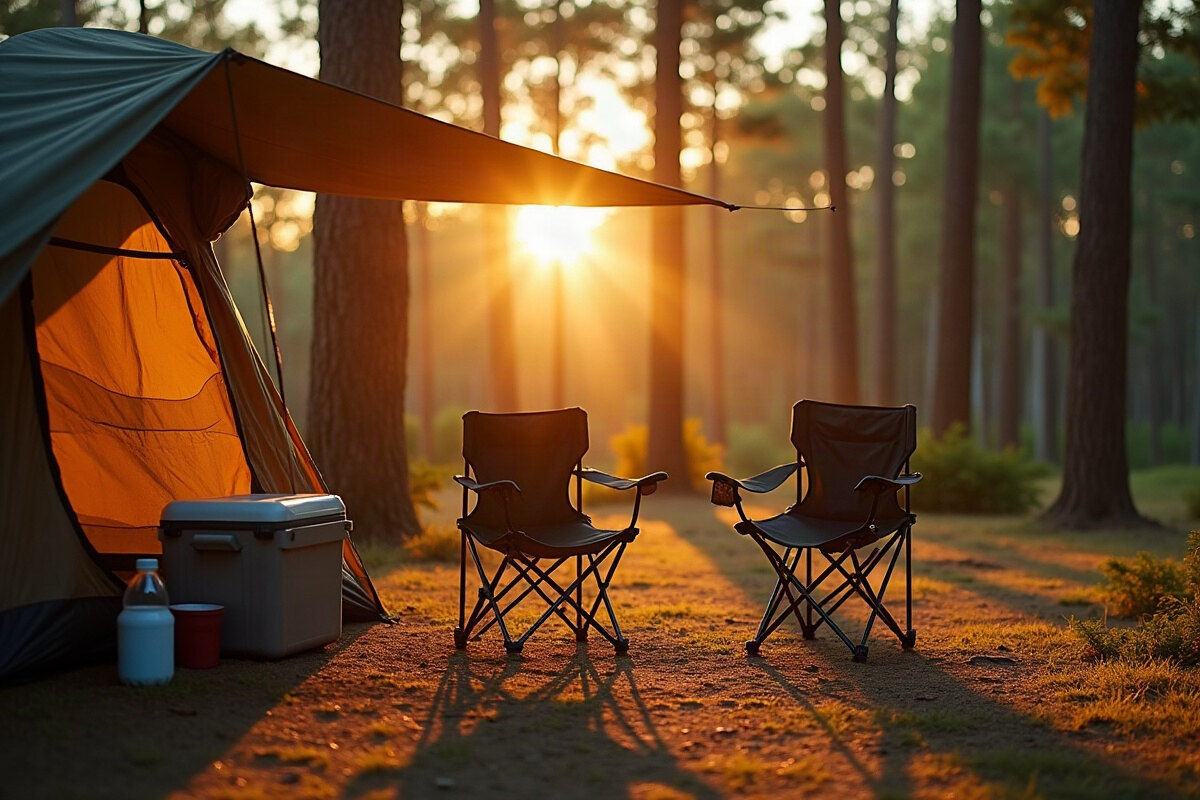
Trail-tested tip: Freeze two or three water bottles the night before and keep them in the cooler. They keep your food cold on the drive, and by evening they’re icy drinking water you don’t have to buy.
What I’d tell you before your next trip
Think of the surf day and the campsite as one plan. The best session in the world feels different when you come back to a dry, tidy camp with dinner ready to go, and a wet, ant-covered mess can sour even a great day on the water.
Let the weather pick your schedule. Florida storms are regular enough in the warm months that you can work around them, and the people who fight them are the ones who end up sitting in a hot car waiting for the lightning to pass.
Leave No Trace still applies, even when your day is spent at a built attraction rather than on a trail. Pack your trash out of the venue and the campsite, keep your food from the raccoons, and don’t let your rinse water run straight into a ditch or a creek. The wading birds you’ll see on the drive in depend on that water staying clean.
Watch the small life around your site while you’re there. Florida campsites are busy places at dusk: anoles flashing their throat fans on the picnic table, frogs starting up after the rain, herons and egrets stalking the edges of any water nearby. Learning who your neighbors are is half the fun of camping somewhere new.
And if you’re new to surfing, go in with a learner’s patience. A first session is about balance, timing and laughing at yourself, and the ocean, or the pool, will still be there next trip.
Back at camp, the storm has passed and the air smells of wet pine and sand. The rash guards are finally drying under the awning, the cooler is latched, and a heron lifts off the ditch as the light goes amber. Hang up your gear, check the sky, and go see what’s waiting outside.