
It’s mid-morning at a mountain trailhead and the lot is full. Two of our cars made it. The third is stuck somewhere behind a slow truck, the fourth took a wrong turn, and nobody has a signal. Half the group stands by the trail sign, stretching and checking phones that won’t help.
Getting a big group to the mountains is its own adventure, and it’s the part most people plan last. What should you ask when looking at Denver charter bus services for a family reunion, a camping club or a group headed from the city into the high country? That question comes later in this piece. First, let’s talk about why convoys fall apart, and what actually keeps a group together from the meeting point to the campfire.
Why group convoys into the mountains break apart
A convoy looks simple on paper. Everyone meets at a parking lot, everyone follows the lead car, everyone arrives together. Then real roads happen.
Mountain highways split groups fast. One car gets caught at a light, another hits a construction zone, a third stops for coffee because somebody’s kid needs a bathroom. Within an hour, a tight line of vehicles turns into a scattered set of cars spread over many miles of canyon. Cell coverage drops out in exactly the places you need it most.
Weather piles on. Mountain conditions can change in an afternoon. A sunny morning in the city can turn into wind, rain or snow higher up, and some drivers in your group may have never handled a steep grade on a slick road. One nervous driver slows the whole line, and a line that keeps stopping to wait is a line that loses people.
Then there’s parking. Popular trailheads and mountain towns fill early on good-weather weekends. Four cars need four spaces, and the last car in often ends up parked far down the road or turned away entirely.
The quietest problem is the drive home. After a long day of hiking, paddling or skiing, at altitude, in the sun, the people behind the wheel are tired. Mountain roads at dusk, sometimes in snow or rain, are no place for a driver running on empty. This is the moment people want to quit planning and just wing it. Don’t. This is the part that matters most.
What fixes it
Set the rules before anyone starts an engine
The easiest fix is a five-minute talk at the meeting point. Pick one route and say it out loud. Name two regroup spots along the way where everyone pulls off and waits for the last car. Agree on what happens if someone loses the group: keep going to the next regroup point, never turn around on a mountain road to hunt for the others.
Download offline maps on every phone before you leave town. Write the campsite or trailhead location on paper for each car. It feels old-fashioned until the signal dies.
Trail-tested tip: Make the last car the “sweep” and give it your most patient driver. The sweep never passes anyone, and the group never leaves a regroup point until the sweep pulls in.
Cut the number of vehicles
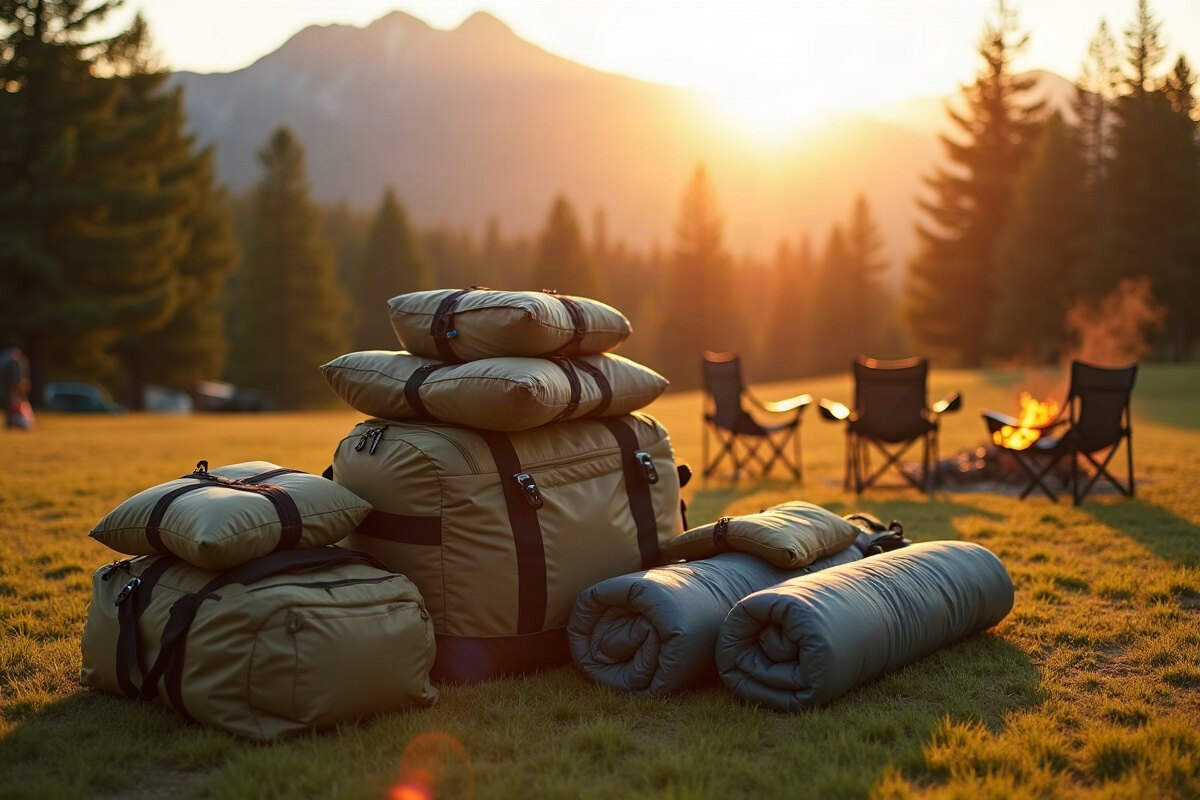
Fewer cars means fewer chances to split up. Carpool hard. Fill every seat. Ask whether the gear can ride in one larger vehicle so the rest of the group can pack in tighter.
Here’s a quick pre-trip checklist for whoever is organizing:
- A headcount and a list of who rides in which vehicle.
- A named driver for the trip home who agrees to take it easy on the trail that day.
- Offline maps and a paper copy of the destination for each car.
- Two regroup points along the route, plus a backup if a road closes.
- A parking plan, including what happens if the lot is full.
- Water, snacks and layers in every vehicle, not just the lead car.
Hand the driving to someone else
For a bigger group, the strongest fix is to stop driving yourselves. A single coach or bus keeps everyone together from start to finish. One vehicle, one parking problem, one arrival time. Nobody gets lost. Nobody has to stay alert on a winding road after a hard day outside.
This is where the question from the top comes back. When you contact a charter company, ask clear questions. Can they handle mountain routes and the weather that comes with them? What happens if the forecast turns? How much luggage and gear fits, and can coolers, skis or camping bins come along? Where can the vehicle pick up and drop off at your destination, and how long can it wait? How will you reach the driver on the day? A good operator will answer plainly and tell you what they need from you.
Give the company what it needs to help you. Share the headcount, the pickup and drop-off points, the timing you have in mind and anything unusual, such as a lot of gear or a guest who needs extra help getting on board. The clearer your plan, the easier it is for them to tell you whether it works.
For campers, this works best for shared days rather than full trips. Leave the trailers and RVs parked at camp, and let a bus carry the whole group to a mountain town, a wedding, a reunion dinner or a big trailhead day, then bring everyone back while they doze.
Plan for altitude and the long day
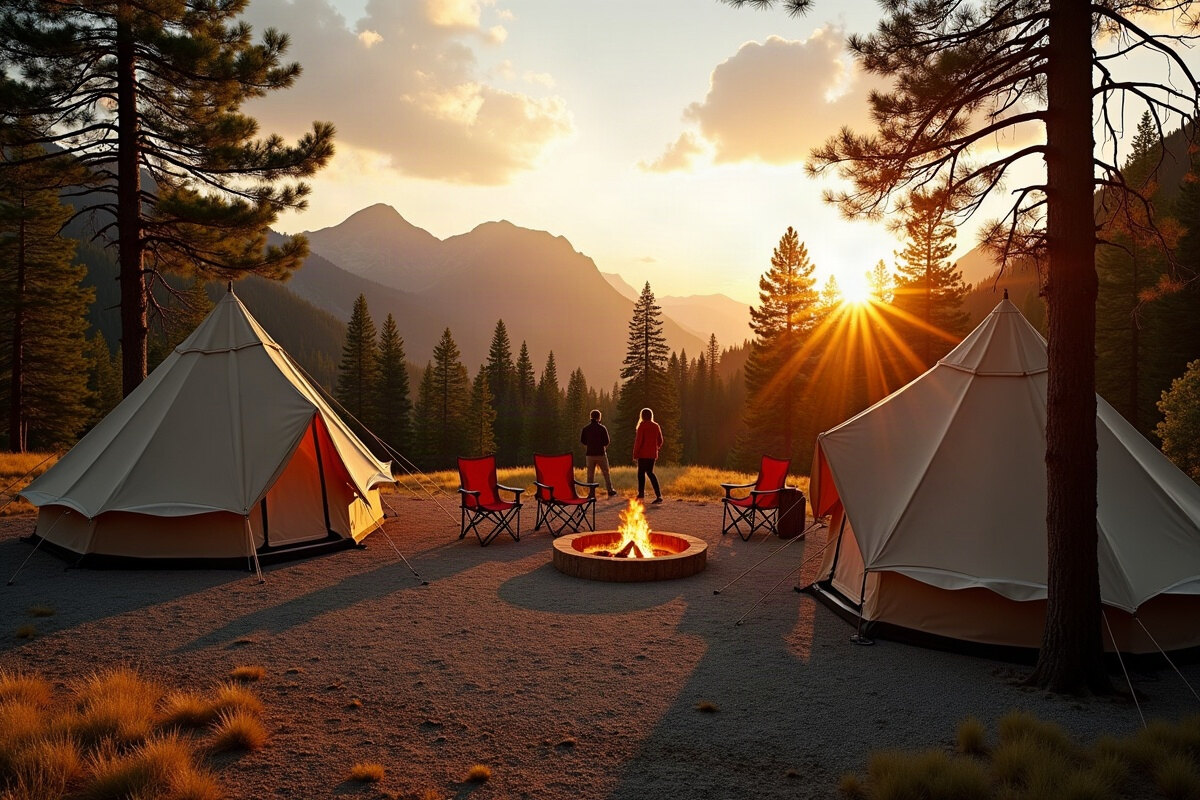
Mountain trips put people high up fast, especially those coming from lower ground. Headaches, short breath and poor sleep are common the first day or two. If someone has a severe headache, confusion or trouble breathing, get them down to lower elevation and get medical help. Build an easy first day into the plan, drink plenty of water, and go light on alcohol until people have adjusted. Pack sunscreen and sunglasses too, because the sun feels stronger up high, and keep an extra warm layer in every daypack for the evening chill that drops in once the sun goes behind the ridge.
Trail-tested tip: Schedule the toughest activity for day two, not the day you arrive. The group that rests after the drive has more in the tank when the real climb shows up.
What I’d tell you before your next trip
Logistics are part of the adventure, not a chore that comes before it. The group that plans the drive is the group that actually starts the hike together.
Pick a sweep. Pick regroup points. Say them out loud. It takes five minutes and saves an hour of standing at a trailhead wondering where your cousins went.
Be honest about the drive home. Wanting to push through when you’re tired is natural. Pushing through on a mountain road at dusk is how good trips end badly. If nobody in the group should be driving, find another way.
Put the plan in writing and send it to everyone the night before: meeting time, route, regroup points, who rides where, and the phone number of the organizer. People forget what was said at a crowded meeting point. They rarely forget a message they can pull up again at the trailhead.
Count the cost both ways. Several cars means several tanks of fuel, several parking fees and several tired drivers. A shared ride can make sense for a bigger group, but get a clear quote and compare it with what the convoy really costs before you decide.
Here’s my challenge for your next group trip: get everyone to the start at the same moment. Same lot, same time, same plan. When that happens, the whole day changes. You start together, you finish together, and nobody spends the hike worrying about the car that never showed.
Back at that trailhead, the last car finally rolls in and the group heads up the trail together, a little late but laughing about it. By evening the fire is crackling and everyone is accounted for. Plan the ride, then go find your trail.